Under PM Modi and CM Yogi’s Vision, Ayodhya Emerging as a Solar Energy City; Barabanki Leads the Region, Ayodhya Second
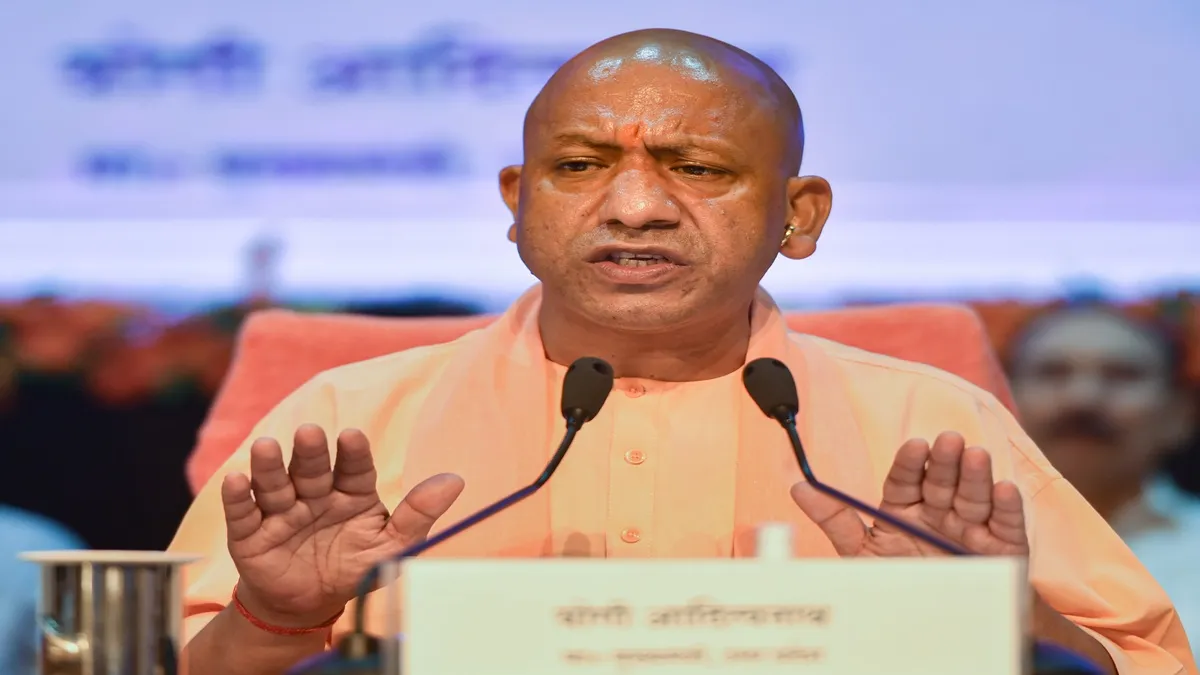
Under the guidance of Prime Minister Narendra Modi and the leadership of Chief Minister Yogi Adityanath, Ayodhya—the historic capital of the Suryavansh dynasty—is rapidly transforming into a Solar Energy City. This ambitious push toward renewable energy is clearly visible across the Ayodhya division, where a large number of residents are adopting solar power connections.
So far this year, around 33,269 people across the Ayodhya division have registered for solar connections, and more than 16,000 solar installations have already been completed. Barabanki district leads in both registrations and installations, followed by Ayodhya in second place.
PM Surya Ghar Muft Bijli Yojana Boosting Adoption
To meet rising electricity demands, the Central Government launched the PM Surya Ghar Free Electricity Scheme, ensuring that households can generate the electricity they need through rooftop solar systems.
CM Yogi Adityanath had earlier announced plans to develop Ayodhya as a Solar City. Under this initiative, a 40 MW solar plant has been installed by UPNEDA in Ayodhya, along with massive promotion of household solar installations.
Solar Sakhi teams are also conducting door-to-door awareness campaigns to educate people about the benefits of solar power.
Registrations Across Ayodhya Division
- Barabanki: 10,445
- Ambedkar Nagar: 5,575
- Ayodhya: 7,808
- Sultanpur: 4,360
- Amethi: 5,081
Solar Connections Installed So Far
- Barabanki: 6,425
- Ayodhya: 3,475
- Sultanpur: 1,893
- Ambedkar Nagar: 2,363
- Amethi: 2,057
What Is the PM Surya Ghar Free Electricity Scheme?
To install rooftop solar panels, approximately 10 sq. meters of shadow-free roof per kilowatt is required.
- A 1 kW solar plant generates 4–5 units per day.
- After domestic use, the surplus power is exported to the grid through net metering, reducing the consumer’s electricity bill.
Most consumers recover their total investment through savings within 3–4 years.
Central & State Subsidies Available
The government offers substantial subsidies for residential consumers:
1 kW
- Central Subsidy: ₹30,000
- State Subsidy: ₹15,000
- Total: ₹45,000
2 kW
- Central Subsidy: ₹60,000
- State Subsidy: ₹30,000
- Total: ₹90,000
3 kW
- Central Subsidy: ₹78,000
- State Subsidy: ₹30,000
- Total: ₹1,08,000
The average cost of a 1–10 kW rooftop solar system ranges from ₹60,000 to ₹65,000 per kW. After installation, the subsidy is directly transferred to the consumer’s bank account.
How to Apply for the Scheme
To avail the benefits, residents must apply online at:
https://pmsuryaghar.gov.in/
A mobile app has also been developed to simplify the process.
Consumers can also obtain bank loans listed on the same portal.
Residents Share Their Experience
“Both subsidies received, electricity bill is extremely low”
Kripa Shankar Srivastava, a retired resident of Ayodhya’s Nirala Nagar, said:
“I installed a 3 kW solar plant. My electricity bill has dropped drastically. Both central and state subsidies have already been credited.”
“Planning to install another 3 kW system”
Krishna Kumar from Raebareli Road shared:
“After installing a 3 kW solar panel, I’ve seen excellent results. Both subsidies came quickly. Now I’m planning to install another 3 kW system to meet higher summer demand.”