
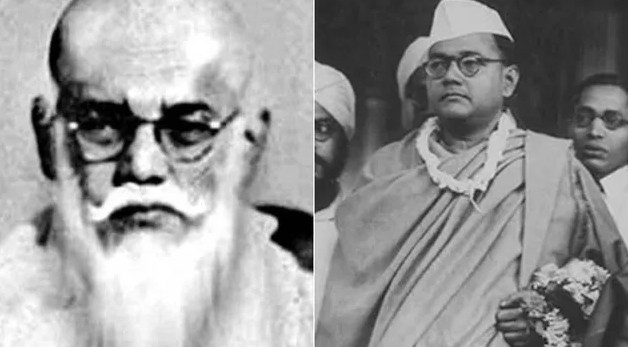
On the birth anniversary of Netaji Subhas Chandra Bose (January 23), it is intriguing to explore his lesser-known connection with Ayodhya, the sacred city of Ramnagari. While Netaji was born in Bengal and rose to international prominence as one of India’s greatest freedom fighters, the final chapter of his life remains shrouded in mystery even after eight decades.
Did Netaji Really Die in 1945?
One widely accepted belief suggests that Netaji died in a plane crash in Taihoku on August 18, 1945. However, the truth behind this claim continues to be questioned. The mystery deepened further due to the presence of Gumnami Baba, a reclusive ascetic who lived in Ayodhya between the 1970s and 1980s and is believed by many to have been Netaji himself.
Theory of Survival and Secret Return to India
Supporters of the Gumnami Baba–Netaji theory argue that after the Axis powers were defeated in World War II, Netaji went underground to avoid capture. According to this belief, he escaped Japan, reached Russia, spent several years in a Siberian prison, and eventually returned to India. Ayodhya is considered one of the few places where Netaji is believed to have lived a secret life in hiding.
Who Was Gumnami Baba?
The name “Gumnami Baba” was given by the media; he never revealed his real identity. From 1974 to 1984, he lived in multiple locations in Ayodhya, including Ayodhyadevi Temple, Lakhanua Hata, and Ram Bhavan in Civil Lines. He allowed only a few trusted individuals to meet him and usually spoke from behind a curtain. Despite his attempts to remain isolated, public curiosity about him continued to grow.
He spent his final two years at Ram Bhavan, where he eventually passed away. After his death, speculation about his true identity intensified.
Witness Accounts Strengthen the Mystery
Nandkishore Mishra, president of the Sarayu Avadh Balak Society, recalls meeting Baba several times along with his father, Ramkishore Mishra. He says Baba’s presence was deeply impactful, and even during those early meetings, people began suspecting that he could be Netaji due to his secretive lifestyle and mannerisms. After Baba’s death, these theories gained further momentum.
Evidence Linked to Netaji Found with Baba
Nearly 3,000 items were recovered from Gumnami Baba’s belongings, out of which more than 400 have been preserved as heritage artifacts. These include a British-made typewriter and record player, photographs of Netaji’s family, copies of the Shah Nawaz and Khosla Commission reports investigating Netaji’s alleged death, and an extensive collection of literature related to national and international politics, war history, and the Indian National Army (Azad Hind Fauj).
A Place of Faith and Remembrance
Gumnami Baba’s samadhi (memorial) is located at Guptar Ghat on the banks of the Sarayu River in Ayodhya. Every year on January 23, Netaji’s birth anniversary, devotees and followers gather there to pay their respects.
Demand for Truth Continues
Shakti Singh, successor of Ram Bhavan and president of the Subhas Chandra Bose National Ideology Centre, has dedicated his life to uncovering the truth behind Gumnami Baba. He remains hopeful that the central government will take decisive steps to reveal the complete truth and deliver justice to millions of Netaji’s admirers across the country.